
- All
- Product Name
- Product Keyword
- Product Model
- Product Summary
- Product Description
- Multi Field Search
 English
Views: 126 Author: Site Editor Publish Time: 2026-04-09 Origin: Site


Softgel capsules are popular in the pharmaceutical industry. They offer benefits like precise dosing and bioavailability. But how are these capsules made?
In this article, we will explore how a softgel machine works. Learn more about our products at Sinagel.
A softgel machine is a device used to manufacture softgel capsules. Unlike hard gelatin capsules, softgel capsules are made by sealing a liquid or semi-solid fill material between two ribbons of gelatin. These machines integrate several operations into a streamlined process, including the formation, filling, and sealing of softgel capsules.
Softgel machines are equipped with various mechanisms that allow them to handle different fill materials such as oils, pastes, and suspensions. The machines can be used for small-scale laboratory experiments or large-scale industrial production, depending on the specific design and capabilities of the machine.
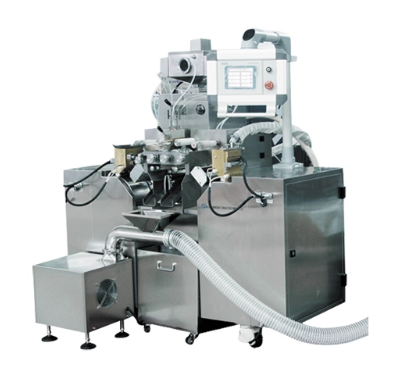
Softgel machines are available in manual, semi-automatic, and fully automatic versions. Manual machines are primarily used for smaller batches, where manual supervision is required at each step. Semi-automatic machines allow for some level of automation but still require operator intervention. Fully automatic machines are the most advanced, allowing for continuous, high-volume production with minimal human involvement.
Type of Softgel Machine | Automation Level | Production Scale | Suitable For | Key Features |
Manual Softgel Machine | Low | Small-scale, Experimental | Small laboratories or startups | Requires operator input at each step |
Semi-Automatic Softgel Machine | Medium | Medium-scale | Mid-sized manufacturers | Partial automation, requires some manual intervention |
Fully Automatic Softgel Machine | High | Large-scale, Industrial | High-volume production facilities | Fully automated, continuous operation, high efficiency |
A softgel machine is made up of various key components, each playing a critical role in the manufacturing process. Let’s examine these components to understand how they work together to produce softgel capsules.
The gelatin melting and mixing tank is an essential part of any softgel machine. This tank heats and mixes the raw gelatin along with other ingredients like plasticizers and water to create a gel-like substance. The gelatin mixture is then formed into thin ribbons that will become the outer shell of the softgel capsules.
The mixing tank is crucial in ensuring the gelatin is consistent and smooth, allowing it to be spread evenly onto the casting drums. Some softgel machines also allow for the customization of the gelatin mixture to cater to different needs, such as vegan or halal softgel production.
The material feeding pump system ensures a consistent flow of the fill material into the capsules. This pump delivers the correct amount of liquid or semi-solid substance, which is injected between the two gelatin ribbons. Accuracy in this step is vital to ensure each capsule contains the precise dosage needed for the product's intended use.
Some machines feature advanced technology like servo motors and PLC control systems to automate this process, providing better control over the fill volume and enhancing consistency across batches.
The injection wedge plays a pivotal role in the encapsulation process. It helps inject the fill material between the gelatin ribbons, ensuring even distribution. The wedge also regulates the temperature of the gelatin ribbons, which is crucial for proper sealing. The softgel machine adjusts the wedge temperature based on the type of gelatin being used, ensuring the capsules are properly formed without any air pockets.
Once the gelatin ribbons are formed and filled, they must be cooled to stabilize the shape of the softgel capsules. The cooling drum, which is part of the softgel machine, helps cool the gelatin ribbons while maintaining their desired thickness. The lubrication system is responsible for reducing friction during the sealing process, ensuring smooth operation of the machine and preventing the capsules from sticking together.
Component | Functionality |
Gelatin Melting Tank | Heats and mixes gelatin to form a gel-like substance for ribbons |
Material Feeding Pump | Controls the flow of fill material, ensuring consistent dosage |
Injection Wedge | Injects the fill material between gelatin ribbons and maintains temperature for sealing |
Cooling Drum | Cools the gelatin ribbons to stabilize them and achieve the correct thickness |
Lubrication System | Reduces friction, ensuring smooth operation and preventing capsules from sticking |
The softgel manufacturing process is an intricate operation that involves several stages. The following steps outline the entire process, from the formation of the gelatin ribbons to the final product.
The first step in the softgel production process is the formation of the gelatin ribbons. The gelatin mixture is poured onto rotating drums, where it is spread into thin sheets. These drums are carefully controlled for temperature and speed to ensure the ribbons are of the correct thickness and consistency.
The cooling fans and spreader boxes integrated into the machine ensure that the gelatin ribbons achieve the desired thickness before they move to the next stage.
Once the gelatin ribbons are prepared, they are fed into the encapsulation zone, where the fill material is injected between them. A wedge system ensures precise filling by injecting the correct amount of the material into the gelatin ribbons. The ribbons are then sealed using heat and pressure, forming a capsule.
This sealing process is crucial to ensure that the softgel capsules are leak-proof and structurally sound. The rotary dies cut the capsules into their final shape, and the filled capsules are ready for drying.
After the softgel capsules are sealed, they undergo a drying process to remove any excess moisture. This is done through a two-stage drying process: tumble drying and tray drying. The tumble drying stage removes most of the moisture, while the tray drying process ensures the capsules are fully dried under controlled humidity and airflow.
Step | Description | Key Equipment Involved |
Gelatin Ribbon Formation | Gelatin is heated and spread into thin ribbons on rotating drums | Gelatin Melting Tank, Rotating Drums |
Filling and Sealing | Fill material is injected between ribbons, and they are sealed | Injection Wedge, Rotary Dies |
Drying | Capsules undergo tumble drying and tray drying to remove moisture | Tumble Dryer, Tray Dryer |
Quality Control | Capsules are inspected for size, fill weight, and sealing integrity | Inspection Systems, Burst Tests |
Maintaining consistent quality in softgel production is paramount. Various quality control measures are implemented throughout the process to ensure that each capsule meets the required standards.
Ensuring the uniformity of the gelatin ribbons is essential for capsule quality. The softgel machine constantly monitors the thickness of the ribbons and adjusts the speed and temperature of the casting drums to maintain consistency. This helps to prevent defects such as uneven capsule sizes or shapes.
Each softgel capsule must contain the correct amount of the active ingredient. To achieve this, the material feeding pump system and injection wedge are carefully calibrated to ensure accurate dosing. Regular checks are performed on the fill weight and capsule seals to ensure there are no leaks.
Once the capsules are formed, they undergo a final round of testing. This includes visual inspections for color, size, and shape, as well as tests for stability and dissolution. These tests ensure that the softgel capsules will perform as expected once consumed.

The softgel manufacturing process comes with its own set of challenges. Below are some common issues faced by manufacturers and the solutions to address them.
If the gelatin ribbons are not uniform in thickness, it can lead to improper sealing or capsule defects. Regular calibration of the casting drums and monitoring of the temperature and speed can prevent this problem. Using micrometers to measure ribbon thickness also ensures that the ribbons are consistent throughout the production process.
Weak seals can cause capsules to leak or break, compromising their effectiveness. This can be fixed by adjusting the wedge temperature and ensuring proper alignment of the rotary dies. Burst tests should be conducted frequently to catch any weak seals early in the production process.
Capsules sticking to each other or the machine components can cause delays in production. This issue can be addressed by optimizing the lubrication system and ensuring proper airflow during the drying process.
Advancements in softgel machine technology have revolutionized the production process. These innovations have improved efficiency, flexibility, and the ability to handle diverse fill materials.
Modern softgel machines are equipped with advanced automation and control systems, which allow for more precise operations. These innovations reduce waste, improve product consistency, and enhance production speed, making it easier for manufacturers to meet increasing demand.
As consumer demand for vegan and kosher products grows, the use of plant-based gelatin has become more common in softgel production. These alternatives offer the same functionality as animal-based gelatin, allowing manufacturers to cater to a wider range of consumers.
Proper maintenance is essential to ensure the longevity and efficiency of softgel machines. Regular maintenance helps prevent breakdowns, reduce downtime, and ensure consistent product quality.
Routine inspections of the softgel machine help identify potential issues before they become major problems. Cleaning is also essential to ensure that no debris interferes with the machine’s operation.
Regular lubrication reduces friction and ensures that the machine operates smoothly. Calibration ensures that the machine settings, such as temperature and speed, are correctly adjusted for optimal performance.
Softgel machines are essential for producing high-quality capsules with precise dosage and enhanced bioavailability. Understanding their key components and processes helps manufacturers optimize production. The latest technology in softgel machines offers improved flexibility and speed, meeting the growing demands in the pharmaceutical industry. At Sinagel, our products are designed to provide exceptional value, ensuring efficient and reliable softgel capsule production.
A: A Softgel machine is used to encapsulate liquids or semi-solids into gelatin capsules. It ensures precise dosage and enhances bioavailability.
A: A Softgel machine forms gelatin ribbons, injects the fill material, seals the capsules, and dries them to create high-quality softgel capsules.
A: Softgel machines provide consistency, improve bioavailability, and offer ease of consumption for medications and supplements.
A: Regular maintenance ensures the softgel machine operates efficiently, preventing issues like uneven ribbon thickness or weak seals, ensuring high-quality production.


