
- All
- Product Name
- Product Keyword
- Product Model
- Product Summary
- Product Description
- Multi Field Search
 English

Views: 0 Author: Site Editor Publish Time: 2026-10-26 Origin: Site


In the highly regulated cosmetic and skincare industry, purchasing cutting-edge hardware is barely half the battle. The precise documentation backing up your machinery is what actually allows you to operate legally and efficiently. As an equipment engineer, I have seen production floors running at peak capacity suddenly grind to a halt. The culprit? An unexpected quality audit discovered a single missing material certificate. Missing files inevitably trigger failed audits, severe production delays, and a tarnished brand reputation.
Operating a Cosmetic Capsule Production Machine without the proper paperwork is a massive liability. Throughout this guide, we will break down the exact files your equipment supplier must provide. You will learn how to verify your manufacturing environment remains compliant, safe, and ready for continuous high-yield output.
Validation is Non-Negotiable: Installation, Operational, and Performance Qualification documents prove your equipment operates safely under strict regulatory guidelines.
Pre-Delivery Checks Matter: Never accept machinery without completed Factory Acceptance Testing and Site Acceptance Testing reports.
Material Traceability: All product-contact parts must possess material test reports, such as 316L stainless steel certificates, to prevent serum contamination.
Standardized Maintenance: Comprehensive user manuals and Standard Operating Procedures are critical for minimizing downtime and training operators.
Supplier Accountability: A reputable manufacturer provides a complete Turnover Package as standard practice upon delivery.
Purchasing industrial equipment for cosmetic manufacturing involves much more than evaluating mechanical specifications. The physical hardware is just one component of your investment. The accompanying documentation legally and operationally validates the entire system.
We are currently witnessing a massive shift toward "clean beauty" and the "skinification" of body care. Consequently, global regulatory bodies are demanding unprecedented transparency. Recent regulatory updates, including stricter FDA and EU cosmetic guidelines, force manufacturers to adopt pharmaceutical-grade traceability. Auditors no longer just check your final packaged product. They heavily evaluate the encapsulation process itself. Possessing a robust documentation package proves your facility can safely handle sensitive active ingredients like unstable Vitamin C or retinol. This keeps you safely ahead of tightening global regulations.
Contract manufacturers rely heavily on standardized documentation to prove their production quality. Prominent skincare brands audit their partners relentlessly. They demand hard proof. They want to see that your equipment is calibrated, validated, and maintained precisely. Having a comprehensive documentation package readily available streamlines these client audits. It builds immediate trust and accelerates the onboarding of lucrative B2B contracts.
Proper documentation directly impacts your bottom line. Detailed manuals, precise part lists, and clear electrical schematics drastically reduce troubleshooting time. Furthermore, structured documentation speeds up operator onboarding. New staff can run the equipment safely without relying solely on the tribal knowledge of senior technicians. Strict adherence to documented maintenance schedules prolongs the machine's lifespan and actively protects your capital investment.
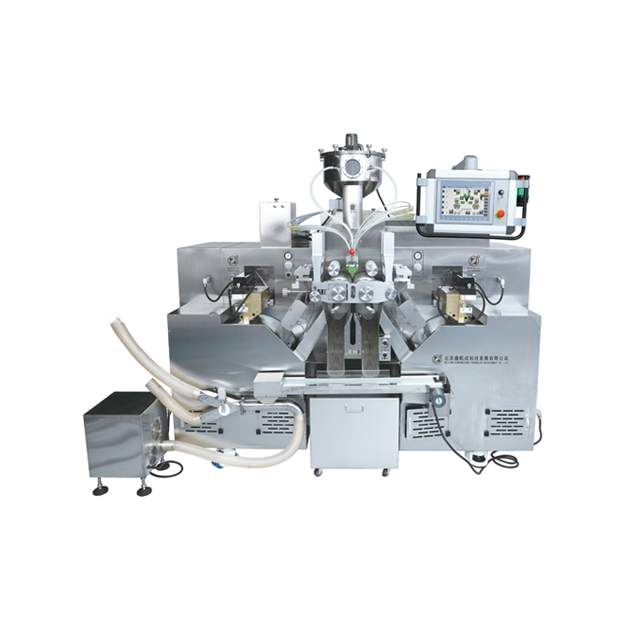
Validation protocols form the absolute backbone of equipment compliance. These essential documents provide scientific evidence that your Cosmetic Capsule Machine performs consistently according to its strict design blueprints.
Think of Installation Qualification as your baseline. It is the documented proof that the machinery was received and installed correctly. It verifies the physical environment meets the necessary criteria for safe operation. An execution document typically includes verifying all delivered components against the original purchase order. I always check the utility connections first. Are the voltage and compressed air pressure exactly what the schematics demand? This document logs all of this, alongside environmental conditions like the temperature and humidity controls necessary for gelatin stability.
Once the system is securely installed, Operational Qualification verifies it operates within specified mechanical and electrical limits. This phase tests the hardware dynamically without the actual cosmetic product. Key checks involve verifying temperature controls for gelatin melting and sealing wedges. We also test filling pump accuracy and confirm interface functionality, safety alarms, and emergency stop mechanisms.
Performance Qualification serves as the final validation step. It provides undeniable evidence that the machine consistently produces high-quality cosmetic capsules under real-world conditions. During this test, the machine runs using your actual cosmetic serum and capsule shell material. Quality control teams then test the resulting output. They look for consistent fill weights across multiple batches, uniform seam thickness, and absolute seal integrity to prevent leakage.
Not all machines demand the exact same level of software validation, though mechanical compliance remains constant. Here is a practical breakdown based on real-world equipment configurations to help guide your selection.
Equipment Tier | Key Hardware Specifications | Critical Documentation Focus |
|---|---|---|
Intelligent Automatic Encapsulator | Die roll size 150x250mm, up to 5 RPM spindle speed | Standard Installation/Operational protocols and 316L material certificates. |
High-Speed Servo Machine | Advanced PLC control, servo-driven precision, high yield | Strict software validation, electronic audit trails, and user access logs. |
Complete Drying Production Line | Integrated melting tanks, tumblers, and polishing units | Comprehensive Site Acceptance Testing across all linked modules. |
Acceptance testing documents are critical milestones in the procurement process. They ensure the equipment meets your exact expectations both before it leaves the factory and after it arrives at your facility.
This test is a comprehensive evaluation conducted at the supplier's manufacturing facility before the equipment is crated. It is designed to catch any defects while the machine is still with the builder. A standard protocol includes visual inspections, basic functionality tests, and the verification of custom features. Approving this document is the official trigger allowing the supplier to ship the machine.
Transportation vibrations can sometimes affect the calibration of sensitive machinery. Therefore, testing must be repeated once the unit is integrated into your facility. This protocol documents the successful connection of the main encapsulation unit with other critical components in the soft capsule production line. It verifies communication with gelatin melting tanks and drying tumblers. Signing this document officially transfers operational responsibility to the buyer.
In cosmetic manufacturing, chemical compatibility between internal machine components and topical products is paramount. Material certificates prove the equipment is entirely safe for use with potent formulas.
Cosmetic serums are notoriously aggressive. Active ingredients like Vitamin C, essential oils, and Salicylic Acid will corrode standard metals quickly. Any part touching the cosmetic oil or gelatin mass must be certified pharma-grade. The undisputed industry standard is 316L stainless steel. Your documentation package must include material test reports from the steel foundry. This proves the exact chemical composition of the metal used for the medicine hopper, filling pumps, and injection wedges.
Beyond metal components, an encapsulation system utilizes various seals, O-rings, and transfer hoses. These non-metal components must not degrade or leach harmful chemicals. Suppliers must provide certificates proving that all elastomers and polymers used in product-contact zones are inert and suitable for cosmetic applications.
A machine is only as effective as the operators running it. Comprehensive manuals and maintenance logs are essential for standardizing daily operations and preventing catastrophic breakdowns.
Imagine a new operator trying to thread a delicate vegan film ribbon during a busy night shift. Without a clear guide, material waste skyrockets. A high-quality user manual goes far beyond basic assembly. It serves as a comprehensive reference guide for daily operation. Essential inclusions are step-by-step navigation guides, clear setup instructions, and detailed tooling changeover procedures.
Routine maintenance is the most effective strategy to prevent costly downtime. The equipment documentation must include a structured preventative maintenance schedule. This dictates daily tasks like inspecting lubrication pads. It covers weekly tasks such as checking oil levels in the main drive. It also details monthly calibrations for filling pump timing to ensure accurate Soft capsule production weights.
While manuals explain how the machine works mechanically, operating procedures dictate exactly how your staff interacts with the machine in a highly compliant environment. Equipment suppliers often provide foundational templates that can be seamlessly adapted to your facility.
Traceability is a core requirement of good manufacturing practices. The documentation package should include templates for Batch Manufacturing Records. These documents allow operators to record critical data for every production run. Logged information typically includes batch numbers, raw material lot codes, ambient room humidity, and final yield quantities. This data is vital for internal quality control.
Cosmetic contract manufacturers frequently switch between different formulations. A rigorous cleaning protocol is absolutely necessary to prevent cross-contamination between a retinol batch and a hyaluronic acid batch. The documentation must provide step-by-step cleaning instructions. This includes guidance on approved solvents, required water temperatures, and swabbing procedures.
Modern encapsulation machines rely heavily on automated software to control critical parameters. Validating this digital architecture is just as important as validating the mechanical hardware.
If the system utilizes a Programmable Logic Controller, the software must be exceptionally secure. Regulatory standards require electronic records to be trustworthy. The equipment supplier must provide documentation proving the software architecture inherently prevents unauthorized manipulation of production data. This guarantees recorded metrics are accurate reflections of the physical process.
To maintain strict accountability, the machine's software must feature hierarchical user access. The documentation should clearly outline how the system logs every interaction. An electronic audit trail must track who logged into the machine, the exact time of operation, and whether any critical parameters were altered. Auditors frequently request this level of digital documentation.
Choosing a supplier based solely on the lowest hardware price often results in receiving inadequate documentation. This introduces significant operational risks that far outweigh the initial capital savings.
Missing validation documents can instantly halt your entire production schedule. If an auditor discovers your equipment lacks operational reports or material certificates, production must be suspended. Generating these documents retroactively requires hiring third-party validation engineers. This is exceptionally costly and time-consuming. The perceived savings of buying a cheaper, undocumented machine are quickly erased.
Investing in cosmetic encapsulation equipment requires meticulous planning. The physical hardware is fundamentally inseparable from its documentation. Without the proper paperwork, the machine cannot function legally or safely in a regulated environment. Always prioritize manufacturing partners who offer complete validation, material traceability, and maintenance records. This proactive approach ensures your manufacturing floor remains fully compliant and highly efficient. If you are looking to upgrade your facility with reliable, fully compliant equipment solutions, explore the advanced machinery and comprehensive documentation packages available at Sinagel.
Highly reputable manufacturers include standard validation documentation packages within the initial base price of the equipment. They view it as a mandatory component of compliance. However, budget-oriented suppliers may treat these documents as optional add-ons, charging significant hidden fees later. It is critical to explicitly request that the full validation package be itemized in your initial quote.
Your facility will ultimately need to finalize and approve its own internal procedures to align with your specific quality management systems. However, it is highly recommended to base your internal documents directly on the manufacturer’s provided manuals. The original builder possesses the precise engineering data regarding thermal limits and mechanical tolerances. Deviating from their baseline instructions without engineering justification can result in unsafe operating conditions.
The core regulatory principles and foundational validation documents remain exactly the same regardless of your production volume. A small-batch research machine requires the same proof of hygiene and operational accuracy as a high-output industrial system. However, large-scale production lines involve complex integration with auxiliary equipment. Therefore, large-scale systems will require more extensive site acceptance testing documentation.
A Turnover Package is the comprehensive, organized collection of all documentation provided by the equipment manufacturer upon delivery. It serves as the definitive historical and technical record of the equipment. A standard package typically includes the physical and digital copies of the validation protocols, acceptance test reports, material conformity certificates, electrical schematics, and all user manuals.
Losing original validation documents is a serious compliance risk. If an auditor requests them and you cannot produce them, your equipment is technically considered non-compliant. You will need to contact the original equipment manufacturer to request duplicate copies from their archives. If the manufacturer no longer has them, you will be forced to hire a third-party engineering firm to re-execute the entire validation process from scratch, which is highly expensive.
Operating procedures should be reviewed annually at a minimum. However, immediate updates are required whenever there is a mechanical upgrade to the machine, a change in regulatory guidelines, or the introduction of a new, highly reactive cosmetic ingredient that requires different cleaning solvents. Every update must be documented, signed off by your quality control manager, and followed by a retraining session for all floor operators.


